
 +62 895 001 924 667


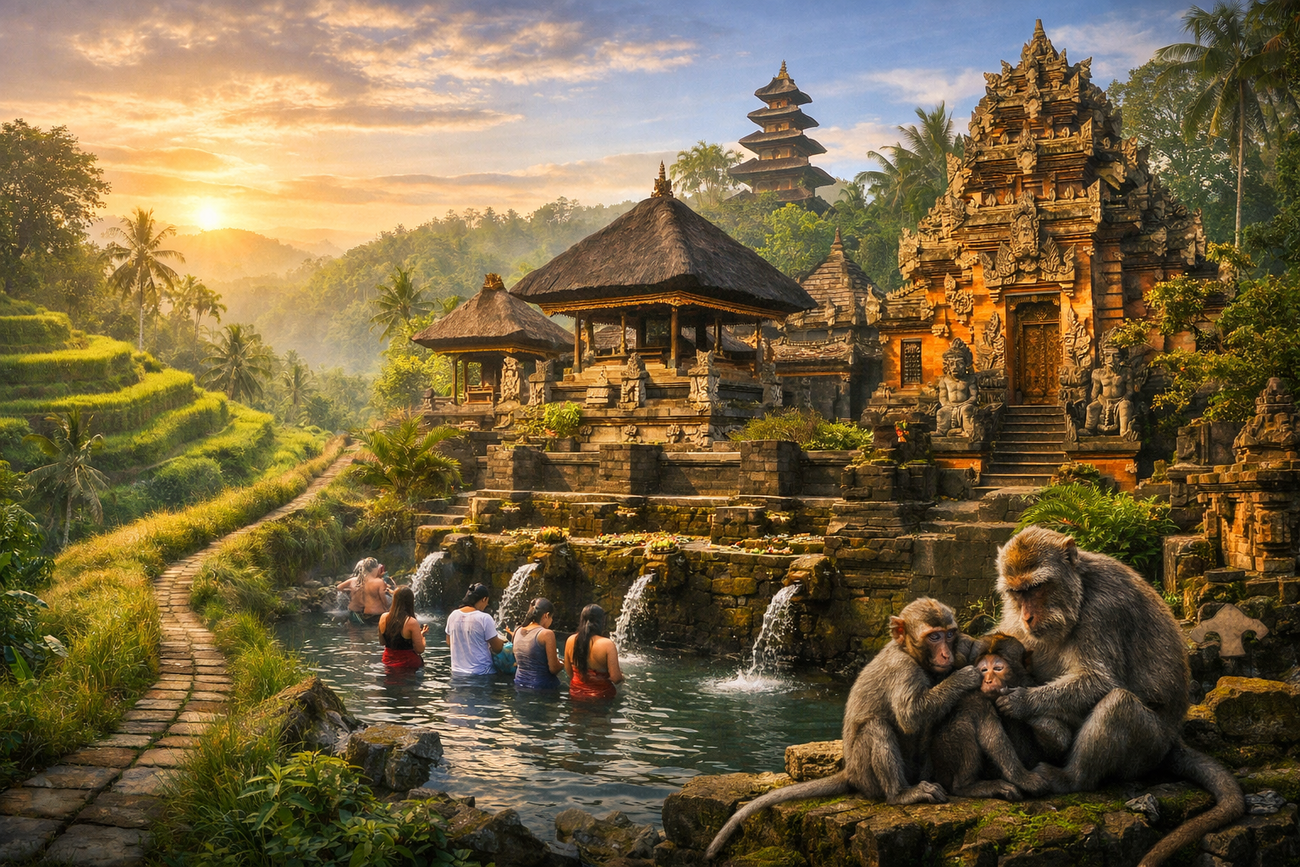

Ubud is the cultural heart of Bali—a place where ancient temples stand side by side with emerald rice terraces, bustling markets, lush rainforests, and serene yoga studios. This guide serves as a practical starting point for anyone planning to visit Ubud and seeking a blend of cultural landmarks and natural escapes.
1. Ubud Royal Palace
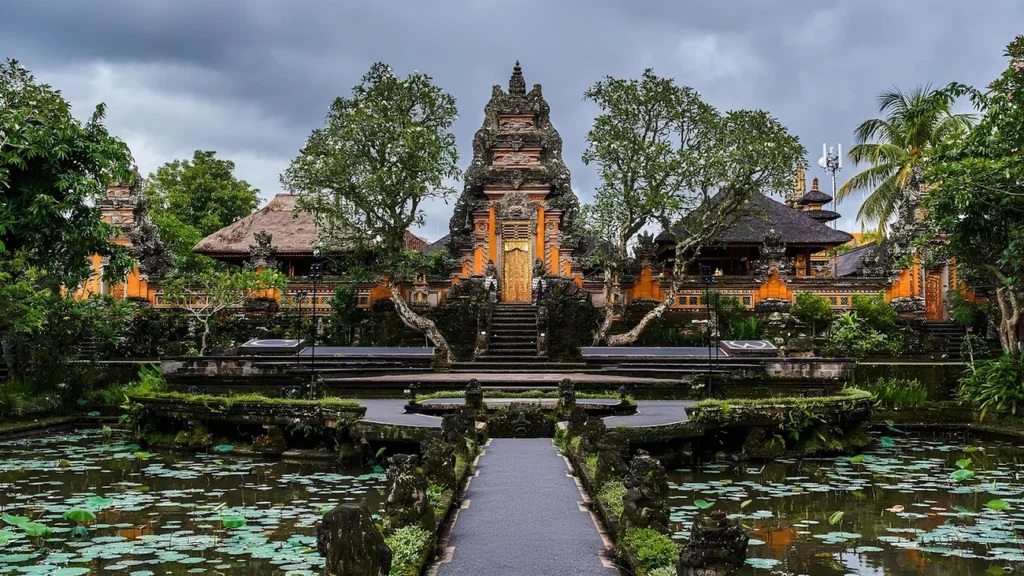
Ubud Royal Palace, or Puri Saren Agung, is the historic residence of Ubud’s royal family and one of the town’s most iconic cultural landmarks. By day, the palace courtyard is open for casual visitors; by night, it transforms into a stage for mesmerizing traditional Balinese dance performances accompanied by live gamelan orchestras. For many travelers, this is the first stop on their list of top places to visit in Ubud and a central reference point for any well-planned Ubud itinerary—with the art market, temples, and top cafés of central Ubud all within steps.
Quick Facts
| Detail | Information |
|---|---|
| Location | Jalan Raya Ubud, directly across from the Ubud Art Market; central location ideal for walking tours |
| Courtyard Hours | Typically 08:00–18:00 (subject to ceremonial closures) |
| Entry to Courtyard | Free (one of the best free things to do in Ubud) |
| Evening Dance Shows | Usually nightly, 19:30–21:00; programs vary (Legong Keraton, Ramayana, Barong) |
| Tickets | $8–12 per person; available at the entrance or from local vendors |
| Recommended Visit Time | Early morning for photos without crowds; evening for performances |
| Suggested Duration | 30–45 minutes for courtyard visit; 90 minutes for evening performance |
| Dress Code | Modest attire (shoulders and knees covered); sarong may be required during ceremonies |
| Accessibility | Uneven paths and steps; partially accessible for wheelchairs |
| Payment | Cash in IDR preferred; sometimes accepts QRIS; change given in local currency |
Key Tip: Entry to the palace grounds is free—tickets are only required for the evening shows. Arrive early, especially during peak season, as this popular Ubud tourist spot can fill up fast.
What to See in the Palace Courtyard
- Candi Bentar: Classic split gates adorned with detailed Balinese carvings.
- Bale pavilions: Ornate wooden and stone structures decorated with gold-leaf motifs and traditional masks.
- Family shrines: Private sanctuaries of the royal dynasty, often filled with fresh offerings.
- Performance stage: Located at the heart of the courtyard, this is the venue for nightly gamelan-accompanied dances.
- Gargoyles and statues: Intricately carved stone guardians surrounded by a traditional garden—perfect for photography.
Traditional Balinese Dances
By evening, the palace becomes one of the most atmospheric Ubud attractions, hosting live dance performances that bring Balinese mythology and artistry to life. Featured shows may include:
- Legong: Known for its precise gestures and facial expressions.
- Ramayana: Dramatic scenes from the ancient epic.
- Barong: The symbolic battle between good and evil.
Tickets are typically sold at the gate starting around 18:30. Seats are unreserved and filled on a first-come, first-served basis. Prices range from $8 to $12 per person, and children are usually charged the same rate. Programs and schedules may shift depending on religious ceremonies.
Insider Tip: Arrive 20–30 minutes early to secure a seat in the central rows for the best view of the intricate costumes and expressions.
Costs & Practical Info
- Courtyard Entry: Free
- Dance Performances: $8–12; sometimes includes a printed program
- Private Palace Guide: $15–25/hour for a group of 1–4 people (arranged on site)
- Scooter/Car Parking: $0.30–0.70; space is limited—walking is recommended
- Sarong Rental (if needed): ~$1 for ceremonial access
Weather Note: During the rainy season, evening shows may be moved under covered areas or shortened. Check the latest BMKG Indonesian Weather Service forecast before heading out.
Etiquette & Safety
- Respect offerings (canang sari): do not step on or disturb them.
- Keep your appearance modest and voices low; avoid entering roped-off family temple zones.
- Photography and video are usually allowed; drones are not permitted without special approval.
- Keep children close—cables and lighting during shows can pose hazards.
- Follow the official cultural guidelines of Indonesia for respectful behavior in temples and royal compounds.
Important: Show schedules and ticket prices are set by the performance organizers. Confirm details on-site the day of your visit—entrance fees for Ubud attractions may change.
How to Fit the Palace into Your Ubud Itinerary
- Morning: Visit the palace and browse the Ubud Art Market across the street (allow 10–15 minutes for walking and transitions).
- Afternoon: Walk to Saraswati Temple (just 5–7 minutes away), then enjoy lunch or coffee at a nearby café on Jalan Gootama.
- Evening: Return to the palace for a traditional dance show—one of the best things to do in Ubud after dark.
Planning Note: If you’re just arriving in Bali and researching Ubud travel tips, be sure to check visa requirements and possible VOA extensions via the official Indonesian Immigration Portal. This can help you plan your time in Ubud with flexibility.
2. Saraswati Temple (Water Palace)
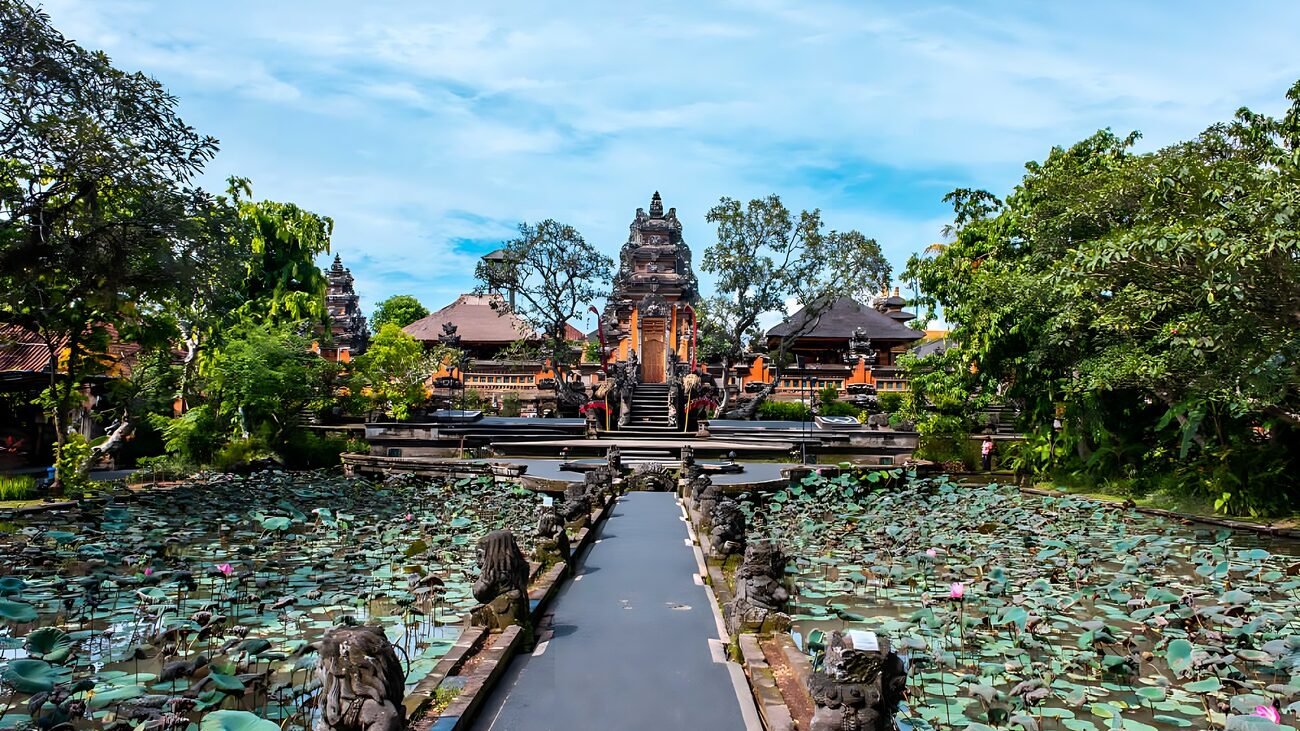
Saraswati Temple, often referred to as the Water Palace Ubud, is one of the town’s most recognizable landmarks and an essential stop on any list of must-see places in Ubud. Dedicated to Saraswati—the Hindu goddess of knowledge and the arts—this temple is renowned for its lotus pond, intricately carved candi bentar (split gates), and ornate architectural details. Its prime location in Ubud’s historic center makes it an easy and rewarding addition to a walking tour that includes the Ubud Royal Palace and Ubud Art Market.
Location and Overview
| Detail | Information |
|---|---|
| Address | Jalan Raya Ubud; entrance via Café Lotus or Jalan Kajeng; 3–5 minutes on foot from Ubud Palace |
| Type | Hindu temple featuring a lotus pond, traditional pavilions, and ceremonial architecture |
| Entrance | Free (donations appreciated, ~$1) |
| Evening Performances | Traditional Balinese dance several times a week; tickets available onsite or from nearby vendors |
| Best Times to Visit | Early morning (fewer crowds, blooming lotus flowers); sunset (temple gates beautifully illuminated) |
Note: Access to the inner sanctums may be restricted during ceremonies. Visitors are generally welcome to explore the outer courtyard and the lotus pond. Entry is free of charge.
Highlights of the Temple
- Lotus Pond – Two symmetrical pools divided by a central stone walkway, creating one of the most iconic photo backdrops in Ubud.
- Candi Bentar Gates and Meru Towers – Exemplary structures of classical Balinese architecture.
- Bale Pavilions – Adorned with carvings and bas-reliefs depicting the goddess Saraswati and scenes from Hindu epics.
- Evening Dance Performances – Authentic cultural showcases of traditional Balinese dance, set to the hypnotic rhythms of live gamelan music.
Visiting Times and Weather Considerations
The temple is particularly enchanting at dawn, when the light is soft and the lotus flowers begin to open, and again at golden hour, when the gates glow under evening spotlights. During Bali’s rainy season (approximately November to March), pathways may become slippery, and dance performances may be relocated under cover.
- Ideal season: May–September, when weather is generally dry and consistent
- Forecasts: For up-to-date weather alerts, consult the Indonesian Meteorological Agency (BMKG)
Photography Tip: For the best lighting and the fewest people, aim to arrive by 08:00 or 30–40 minutes before sunset. Stand on the central walkway to capture the perfect frame.
Etiquette and Dress Code
- Modest attire required: Shoulders and knees should be covered. A sarong may be requested if you enter areas closer to the sanctum.
- Do not step on or move offerings (canang sari).
- Photography in the outer courtyard is generally permitted; drones are prohibited without prior authorization.
- For official temple etiquette, refer to the Indonesia Travel Portal.
Essential: Respect for rituals and proper attire are non-negotiable. Loud conversation and blocking paths used by worshippers are inappropriate.
Budget and Practical Costs
- Entrance: Free; optional donation ~$1
- Dance Performance: ~$7–10 per person (schedule and troupes vary)
- Sarong Rental (if needed): ~$1
- Parking/Scooter Nearby: ~$0.30–0.70; limited spots—walking is often easier
- Café by the Pond: Drinks and coffee range from $3–6; note that a minimum order may apply for pond-view seating
Route Planning and Pairings
- 5–10 minutes from Ubud Palace and Art Market — perfect for a morning itinerary cluster
- 30–45 minutes is typically enough to explore and take photos; allow 90 minutes if attending a performance
- Afterwards, walk to Campuhan Ridge Walk (20–25 minutes on foot), or head to ARMA or Neka museums for an art-focused stop
Accessibility and Safety
- Surfaces: Stone pathways and steps; partially wheelchair-accessible, though some thresholds require assistance
- Slippery Conditions: Surfaces may be slick after rain; wear shoes with good traction
- Peak Hours: Watch personal belongings; keep phones and cameras secure on narrow walkways
Important: During major ceremonies, tourist access may be restricted or the main walkway temporarily closed. Confirm the situation onsite. Updates on cultural events are posted at the official Indonesia tourism portal.
Planning Your Visit
- Opening Hours: Generally open from early morning through evening; there’s no formal ticket gate. Evening lights switch on at dusk
- Travel Prep: For visa-on-arrival details and extensions, refer to the Indonesian Immigration Portal
- Ubud Itinerary Suggestion: Include Saraswati Temple as a morning or sunset highlight to balance your day between cultural exploration and nature walks
3. Ubud Art Market (Pasar Seni Ubud)
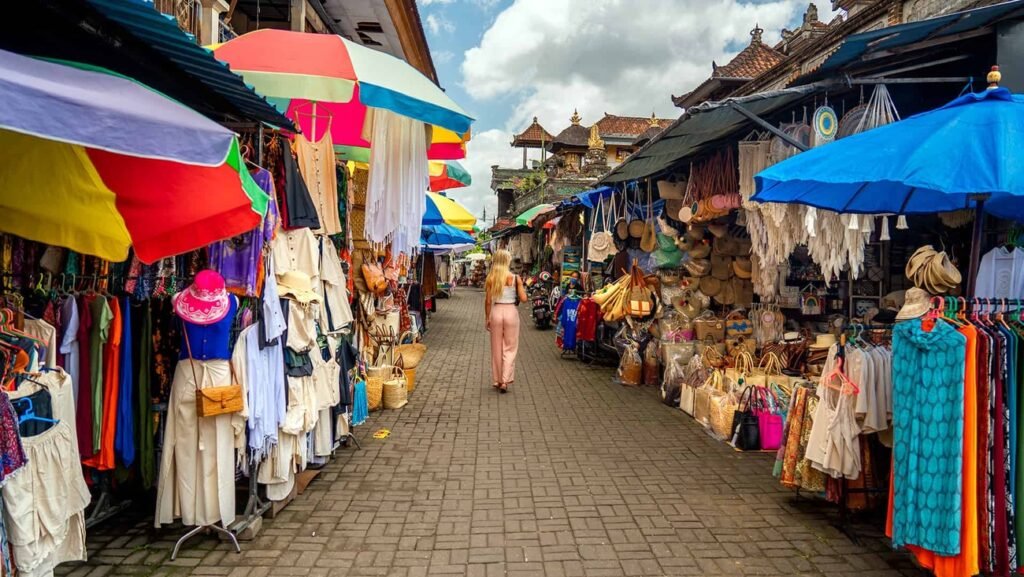
The Ubud Art Market is a cornerstone of Balinese craftsmanship and a cultural highlight conveniently located across from the Ubud Royal Palace. Artisans from across the region gather here to sell handwoven textiles, woodcarvings, batik fabrics, silver jewelry from nearby villages (notably Celuk), rattan bags, ceramics, and home décor. For travelers, it’s more than just a shopping stop—it’s a vibrant cultural experience that perfectly complements any Ubud sightseeing itinerary and ranks among the best things to do in Ubud.
Location and Opening Hours
- Address: Jalan Raya Ubud, directly across from the Ubud Palace; just 1–2 minutes on foot.
- Hours: Handicraft stalls usually operate from 08:00 to 18:00; the morning produce market opens at sunrise.
- Entrance: Free (one of the best free things to do in Ubud); you pay only for your purchases.
Tip: Arrive early (between 08:00–09:00) for softer light, thinner crowds, and a better chance of getting a “first-sale” discount. During rainy season, check the forecast via the BMKG Indonesian Weather Agency.
What to Shop For
- Textiles & Batik: Sarongs, scarves, and bedspreads—both hand-dyed and stamped varieties.
- Natural Fiber Goods: Rattan bags, mats, baskets, and organic-style home accents.
- Wood Carvings & Masks: Traditional motifs, decorative panels, and religious iconography.
- Silver Jewelry: Earrings, pendants, and bracelets in the Celuk style—fine craftsmanship with intricate designs.
- Ceramics & Home Décor: Hand-glazed bowls, candleholders, vases, and other interior accents.
- Souvenirs & Gifts: Magnets, incense sticks, postcards, and miniature temple sculptures.
Price Guide (Estimated)
| Category | Typical Price (USD) | Notes |
|---|---|---|
| Sarong / Batik Scarf | $5–15 | Hand-painted is pricier than stamped; ask about origin |
| Rattan Bag | $10–25 | Size, weave complexity, and lining affect cost |
| Wood Mask / Panel | $15–60 | Dense wood and detailed carving increase value |
| Silver Earrings / Pendant | $18–50 | Look for 925 sterling mark; intricate designs cost more |
| Ceramic Bowl / Vase | $8–25 | Glazing quality and artisan branding influence price |
| Small Souvenirs | $2–8 | Includes magnets, bracelets, incense, etc. |
Note: Prices vary based on quality and bargaining. For handmade goods, it’s reasonable to budget an extra 10–20% above a base quote—this helps support ethical craftsmanship and fair trade.
Bargaining & Payment Tips
- Haggling is expected and part of the local shopping culture. Start with an offer 20–30% below the stated price and negotiate respectfully.
- Payment: Cash in IDR is standard. Many stalls accept QRIS (the national QR payment system); cards are less common and may carry a 2–3% fee.
- Receipts: Not always provided. For higher-value items, request a receipt with the seller’s contact information.
Cultural Norms and Ethical Shopping
- Follow cultural etiquette and best practices as outlined on the official Indonesia travel portal.
- Avoid buying items made from coral, endangered wood, animal shells, or wildlife products—these harm local ecosystems and are often illegal.
- Choose artisans who provide transparent sourcing and fair compensation to workers.
Pro Tip: Ask the seller where and by whom the item was made. Look for signs of handwork—irregular stitching, asymmetry, unique patterns, or a signature mark—these add authenticity and value.
Practical Info & Budget Planning
- Shopping Budget: Expect to spend $15–40 for souvenirs, and $80–150 for larger decor items or silver pieces.
- Shipping: Large or fragile items can be shipped directly from select shops or via third-party services. Budget $30–80+, depending on weight and destination.
- Visit Duration: Plan 45–90 minutes to browse comfortably. Photography is allowed, but ask before taking close-ups of workshop areas.
- Parking: Limited—walking is easier, especially after visiting the palace next door.
Safety & Travel Planning
- Keep personal belongings secure, especially during peak hours (10:00–13:00).
- Surfaces may become slippery after rain—wear footwear with good grip.
- Before traveling, check visa policies and VOA extension rules via the Indonesian Immigration Portal to align your Ubud itinerary and shopping plans.
Reminder: Market entry is free. Any “entrance fees” requested by unofficial “helpers” are not legitimate. Use only marked counters or official QR terminals when paying digitally.
Itinerary Integration
- Morning: Start at the Ubud Art Market → Ubud Palace (2 min walk) → Saraswati Temple (5–7 min).
- Midday: Coffee or lunch break on Jalan Goutama, followed by a museum visit (ARMA or Neka).
- Evening: Return to the palace for a traditional dance show—one of the top must-see places in Ubud.
Weather Alert: In rainy season, monitor updates from BMKG—brief downpours may temporarily disrupt foot traffic or close certain outdoor paths.
4. Campuhan Ridge Walk
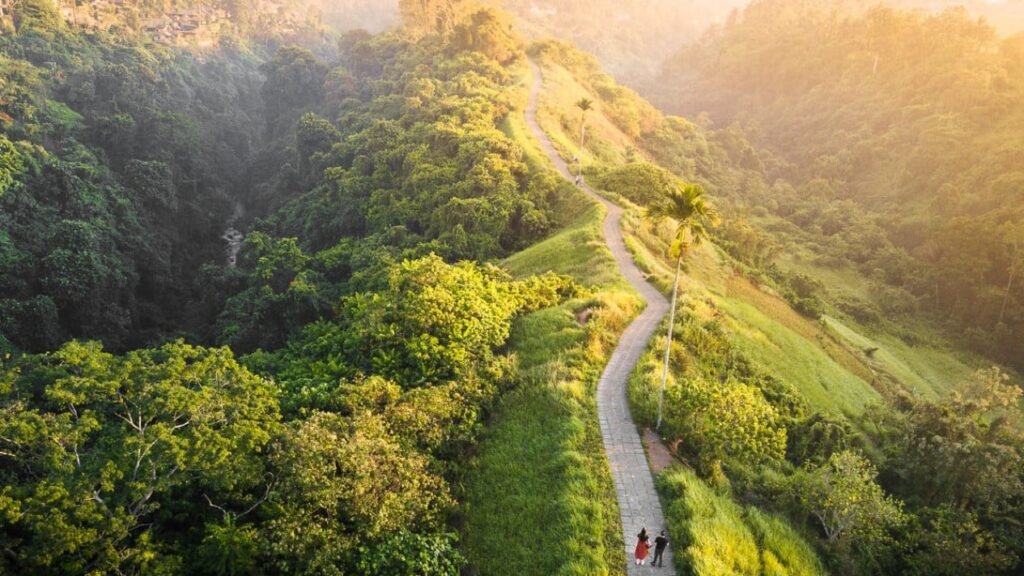
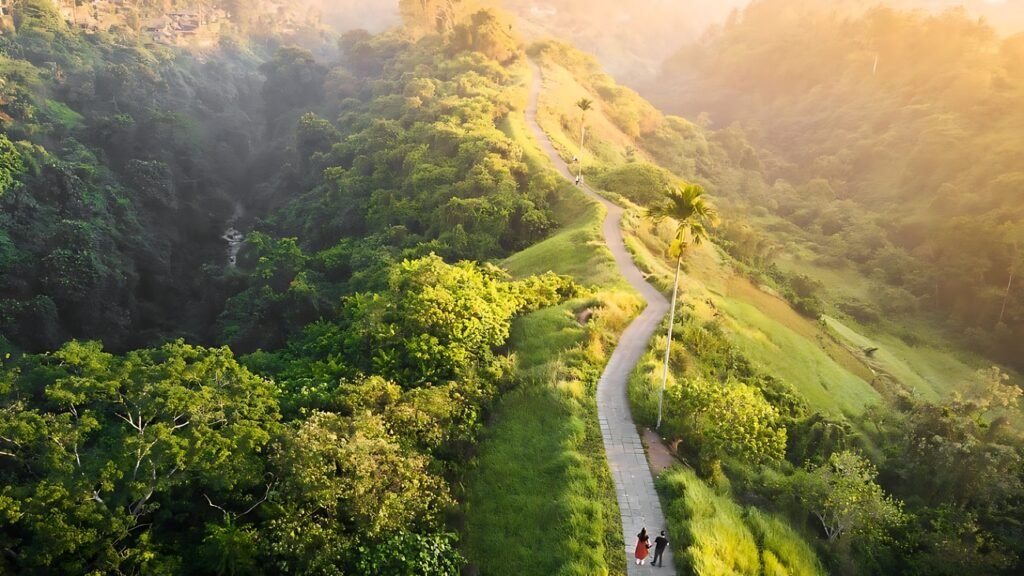
The Campuhan Ridge Walk is a scenic hiking trail set along a lush hilltop ridge in central Ubud. It’s one of the most beloved free things to do in Ubud and a highly recognizable entry on many Ubud attraction lists. Winding between green hills, rice fields, and tropical vegetation, this route offers a peaceful jungle walk in Ubud—no long drives required. Perfect for solo travelers, early morning jogs, or golden-hour strolls, it’s an easy addition to any Ubud itinerary as a refreshing nature break amid a culture-packed day.
Access Points and Orientation
| Feature | Details |
|---|---|
| Starting Point | Turn off Jalan Raya Ubud toward Pura Gunung Lebah near Campuhan Bridge. Look for parking near the hotel access road. Entry is free. |
| Alternative Start | From the Karsa café/spa area (north end) — ideal for sunset visits and breakfast/lunch pairing. |
| Trail Length | Approx. 2–2.5 km one way (4–5 km round trip if walking to the village/cafés and back). |
| Duration | 60–90 minutes at a leisurely pace with photo stops. |
| Difficulty | Low. The path is paved (asphalt/concrete) with gentle inclines; shade is limited. |
| Entry Fee | Free — one of the best top places to visit in Ubud without a ticket. |
| Parking | Scooter: ~$0.30–0.70; Car: ~$1–2/hour. Limited availability; during peak hours, walking or taxi is better. |
| Facilities | Toilets and refreshments available at cafés on the north end; no facilities along the trail itself. |
Essential Tip: The ridge is free to access and open during daylight hours. There’s almost no shade—bring water, a sunhat, and sunscreen.
Best Times to Go & Weather Considerations
- Sunrise (around 06:00–07:00): Cool temperatures, soft lighting, and minimal foot traffic.
- Sunset: Dramatic skies and cooler air, though more visitors on the trail.
- Rainy Season (Nov–Mar): Surfaces can become slick; short downpours are common. Plan with weather forecasts in mind.
Stay updated with local conditions via the BMKG (Indonesian Meteorological Agency), which publishes real-time weather alerts and rainfall patterns useful for planning walks in and around Ubud.
Caution: Between 10:30 AM and 3:30 PM, temperatures peak and heat exhaustion becomes more likely. The best time to begin your walk is before 8:00 AM or 60–90 minutes before sunset.
Trail Route & Landmarks
- Starting Point (Campuhan Bridge): Descend near the Pura Gunung Lebah sign, then follow the paved path up onto the ridge.
- Middle Section: Open landscapes with sweeping views of the valley and hills. Tall grasses, palms, and distant rice fields frame the route.
- Northern End: Gentle descent toward Karsa Café/Spa and surrounding rice fields—many choose this as the turnaround point.
Expenses & Practical Tips
- Transport: A short taxi/shuttle ride from central Ubud costs ~$2–4 one way. Walking from Ubud Palace takes 10–20 minutes.
- Water & Snacks: Bottled water ~$0.50–1.50; fresh coconut at the café ~$2–3; light lunch ~$4–8.
- Optional Guide/Photos: Private photography or guided walk ~$10–20/hour for a small group.
- Footwear: Wear sneakers with non-slip soles. Some surfaces may remain damp after rain.
Advice: Budget an extra 15–20 minutes for photo stops or shade breaks. There are no drink stalls along the trail—buy water beforehand.
Etiquette & Safety
- Proximity to Pura Gunung Lebah: If visiting the temple, follow Bali temple etiquette—modest clothing, sarong/sash if entering, and respectful behavior. See official guidelines at Indonesia Travel.
- Stay on the Path: Do not trespass on rice fields or cut through plantations—they are private property and ecologically sensitive.
- Trail Sharing: Expect runners and occasional cyclists. Keep right and yield on narrow sections.
- Lighting: If walking at dawn or dusk, bring a headlamp or use your phone’s flashlight.
- Insects: Apply mosquito repellent, especially during rainy months.
How to Fit It into Your Ubud Itinerary
- Morning Plan: Campuhan Ridge Walk → breakfast at a north-end café → return to town → visit Ubud Palace and Saraswati Temple.
- Evening Plan: Sunset stroll → dinner in central Ubud → attend a palace dance performance — a classic Ubud tourist experience.
- Day Combo: Nature walk in the morning, museums (ARMA/Neka) in the afternoon, cultural events in the evening — a perfectly balanced Ubud day.
Additional Recommendations
- Weather Readiness: Always check the latest forecast from BMKG before heading out.
- Cultural Considerations: For up-to-date temple visitor policies, refer to Indonesia’s official tourism site.
- Budget Overview: If keeping costs minimal (water, snacks, local transport), budget ~$5–10 per person. No entrance fees apply for this walk.
Final Note: The trail is cherished by both locals and visitors. Please respect nature and private land—use reusable bottles, take your trash with you, and help keep the ridge clean for all.
5. Tegalalang Rice Terraces
The Tegalalang Rice Terraces are among Bali’s most iconic landscapes and a must-see destination on any list of top places to visit in Ubud. These cascading rice paddies, shaped by the traditional subak irrigation system, offer sweeping panoramic views, scenic photo spots, and cafés perched along the hillside. Their proximity to other natural and cultural Ubud attractions makes them a popular addition to both early morning and late afternoon Ubud sightseeing plans.
Quick Facts & Location
| Feature | Details |
|---|---|
| Distance from Ubud | Approximately 9–11 km north; 20–35 minutes depending on traffic |
| Opening Hours | From sunrise to sunset (cafés typically open 08:00–18:00) |
| Entry/Donation | Around $1 at main entrances; small local bridges or trails may request $0.50–1 |
| Photo Spots & Swings | Swings: $10–20; nests & view frames: $2–5 per location |
| Difficulty | Moderate: steep stairs, narrow paths, slippery when wet |
| Facilities | Cafés/viewpoints, toilets (~$0.20), limited parking |
| Payments | Cash in IDR; some cafés and photo spots accept QRIS |
Key Tip: There is no central ticket booth—multiple access points and footbridges operate with local contributions. Carry small denomination IDR bills and budget $2–5 for donations and crossings.
Best Times & Seasonal Highlights
- Sunrise (06:15–07:30): Soft light, minimal crowds and heat—perfect for photography.
- Late Afternoon (after 16:30): Cooler temperatures, glowing light on the terraces.
- Rainy Season (Nov–Mar): Vibrant greenery, but higher risk of slippery trails.
- Lushest Views: Typically 3–5 weeks after planting; golden tones appear just before harvest.
For weather alerts and rainfall forecasts, consult the BMKG – Indonesian Meteorological Agency.
Important: Between 10:30 AM and 3:00 PM, the slopes can get intensely hot. Bring water, a hat, and sunscreen, and plan short breaks every 20–30 minutes.
Route Overview & Photo Highlights
- Main Ridge (Roadside): Lined with cafés and viewpoints—great panoramic views without descending into the terraces.
- Field Descent: Stone steps lead down to narrow trails winding between rice paddies; photo spots like hanging bridges and nests along the way.
- Southern Loop: Leads past small temple shrines and stream crossings—narrower, more humid paths.
- Drones: Use may be restricted by café or photo spot operators. Avoid flying over people or sacred sites, and follow local drone safety regulations.
Budget & Expenses
- Entry/Donations: ~$1 for main access + additional $0.50–1 for bridges or private paths.
- Swings/Photo Spots: $10–20 depending on height, safety harnesses, and photo package options.
- Cafés with Views: Coffee $2–4, smoothies $3–5, lunch $6–12. Some viewing decks may have a minimum order.
- Parking: Scooter $0.30–0.70; car $1–2/hour.
- Optional Guide/Photo Assistant: $10–25/hour per group.
Tip: If you plan to visit multiple photo zones, ask for a bundle deal with one operator—this can reduce the total cost by 10–20%.
Safety & Preparation
- Footwear: Wear sneakers or trekking sandals with good grip—paths are slippery after rain.
- Hydration: Bring 0.5–1 liter of water per person—no public water sources are available in the fields.
- Navigation: Trails can be winding; mark landmarks (cafés, bridges) or take reference photos.
- Travel Insurance: Recommended for trekking and adventure activities.
Crucial: Stay on designated trails and avoid stepping onto the earth embankments between paddies. These are private farmland and vital irrigation structures—damaging them disrupts the water system.
Etiquette & Sustainability
- Respect the Farmers: Small donations help maintain trails and bridges.
- Sacred Areas: You may come across shrines—observe posted etiquette and dress modestly. For full temple guidelines, refer to Indonesia’s official travel site.
- Zero Waste: Bring a reusable water bottle, carry out your trash, and avoid littering in or near the subak canals.
Transport & Parking
- Scooter Rental: $4–7/day (helmet included); roads are mostly paved but some turns are steep.
- Taxi/Driver: ~$8–12 one way from Ubud center. Half-day hire (4–5 hours) costs ~$25–40 and is ideal for pairing with Tirta Empul Temple or nearby coffee plantations.
- Parking: Available near cafés and along the road, but limited during peak hours (09:30–12:00).
Itinerary Integration
- Morning Plan: Tegalalang (06:30–09:00) → breakfast with a view → return to Ubud Art Market or Ubud Palace.
- Northern Combo Day: Tegalalang → Tirta Empul Temple (purification ritual) → coffee tasting → sunset back in Ubud.
- Photo Day: Tegalalang + multiple photo spots/swings → late lunch → visit to ARMA or Neka Museum.
Visas & Weather Advisory
- Weather: Check wind and rain forecasts on BMKG before heading out—especially if you plan on using swings or aerial photography.
6. Tegenungan Waterfall
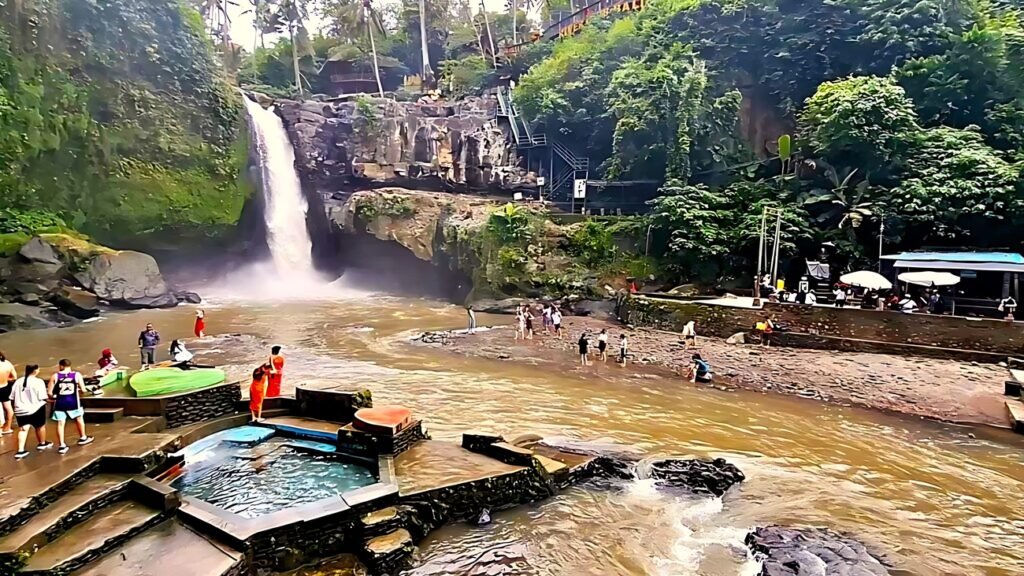
Tegenungan Waterfall is one of the most accessible and popular waterfalls near Ubud, located in the village of Kemenuh (Sukawati district, Gianyar). It makes for a convenient half-day getaway from the town center and fits naturally into your Ubud sightseeing itinerary. With scenic viewpoints, swimming opportunities (weather permitting), cafés perched above the falls, and photo zones on landscaped terraces, it’s an excellent addition to the list of best things to do in Ubud.
Location, Access & Essentials
| Feature | Details |
|---|---|
| Distance from Ubud | Approx. 10–12 km southeast; 20–35 minutes depending on traffic |
| Opening Hours | Typically 06:30–18:30 (swimming access may close earlier due to current) |
| Entrance Fee | $1.50–2 per person (adults and children usually same rate) |
| Parking | Scooter: ~$0.30–0.70; Car: ~$1–2/hour |
| Facilities | On-site cafés, viewing terraces, changing rooms, showers (~$0.50–1), lockers (~$1) |
| Steps | Approximately 150–200 steps between entrance and waterfall base |
| Swimming | Allowed when current is calm; prohibited when red flags/signs are posted |
| Extras | Photo spots $1–3; life jacket rental (if available) $2–3 |
| Payment | Cash in IDR; QRIS accepted at some cafés and ticket booths |
Note: Your ticket grants access to viewing platforms and the river trail. Swimming is conditional and may be restricted during high flow or unsafe conditions based on staff assessment.
Best Time to Visit & Weather Tips
- Early Morning (07:00–09:00): Fewer crowds, soft lighting, and clearer water—ideal for photography and peaceful exploration.
- Late Afternoon (after 16:00): Cooler temps and golden-hour light enhance the experience.
- Rainy Season (Nov–Mar): Higher water levels, stronger current, and murkier water; some areas may close for safety.
Check current rain and storm forecasts on BMKG – Indonesia’s Meteorological Agency before your visit.
Important: Heavy rainfall can lead to temporary closures of swimming areas and access to the lower pool. Always follow posted safety signs and staff instructions.
On-Site Layout & Viewpoints
- Upper Level: Entry gates, cafés, and panoramic terraces overlooking the waterfall and valley.
- Descent to River: A staircase leads to a pebble shore and waterfall basin; handrails and signage guide the way.
- Side Photo Zones: Viewing decks and footbridges above the river—some require a small fee.
- Photo Safety Zone: Marked pebble area in front of the falls; maintain distance from slippery rocks and the main stream.
Budget & Typical Expenses
- Transport: Taxi from Ubud center: $6–12 one way; scooter rental: $4–7/day.
- Entry: $1.50–2; parking: $0.30–2 depending on vehicle.
- Amenities: Shower: $0.50–1; locker: ~$1; life jacket (if available): $2–3.
- Food & Drinks: Coconut: $2–3; soft drinks: $1.50–3; lunch at top cafés: $6–12.
Tip: Bring small IDR bills for quick payments at the ticket booth, parking, and photo zones—it’ll save time and simplify transactions.
Safety & Environmental Guidelines
- Safety Signals: Red flags and warning signs indicate swimming is prohibited. Flash currents and backflow eddies post-rain can be dangerous, even for strong swimmers.
- Safe Distance: Stay at least 10–15 meters from the waterfall during moderate or high flow. Do not climb wet rocks or cross safety barriers.
- Footwear: Wear closed-toe shoes with non-slip soles; river rocks can be slick.
- Drones: Usage may be restricted; avoid flying over crowds or directly above the river. Adhere to drone guidelines from Indonesia’s official tourism site.
- Environmental Care: Pack out your trash, stay out of vegetation, and avoid disrupting the riverbank or water flow with hoses/showers.
Note: Local guidelines for natural attractions and sacred areas are updated regularly. Check Indonesia.travel for the latest recommendations.
Integrating Into Your Ubud Itinerary
- Half-Day Southeast Loop: Goa Gajah → Tegenungan Waterfall → lunch on a terrace → return to Ubud.
- Morning Block: Depart by 07:00, swim and shoot photos before 09:00, then visit ARMA/Neka Museum or take the Campuhan Ridge Walk.
- Golden Hour Visit: Enjoy viewing decks and cafés at sunset; note that river access typically closes before dusk.
Practical Tips
- Gear Checklist: Swimsuit, towel, spare shirt, waterproof bag for your phone or camera.
- Hydration: Bring 0.5–1L of water per person; additional drinks available at cafés at the top.
- Weather Watch: Check BMKG on the day of your trip for flood or heavy rain warnings.
Final Note: The stair climb back to the top can take 10–20 minutes and requires moderate physical effort. For families with young children or visitors with limited mobility, the upper viewpoints alone offer excellent vistas and may be a better option.
7. Goa Gajah (Elephant Cave Temple)
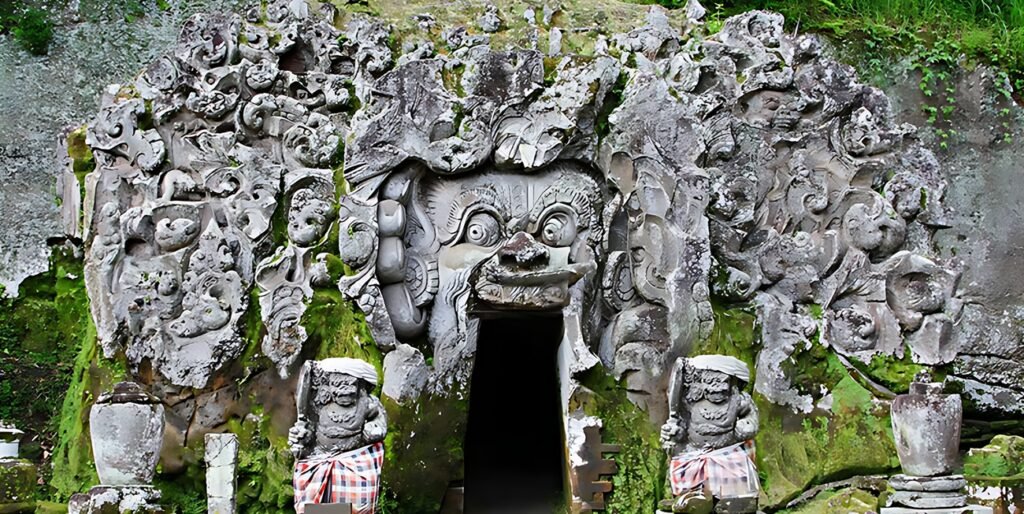
Goa Gajah, or the Elephant Cave Temple, is one of Bali’s oldest and most revered archaeological and spiritual sites. A staple among the top Ubud attractions and consistently listed among the best things to do in Ubud, this 9th–11th century temple complex showcases a blend of Hindu and Buddhist heritage. The site features the iconic demon-face entrance (Kala) to the cave, purification pools with stone sculptures, ruined stupas, meditation niches, and active shrines. Quieter and more serene than many popular destinations, Goa Gajah makes a rewarding cultural detour—often combined with nearby Tegenungan Waterfall or Tirta Empul Temple in a well-rounded Ubud itinerary.
Quick Facts & Location
| Feature | Details |
|---|---|
| Address | Bedulu, Blahbatuh, Gianyar (≈ 5–6 km southeast of central Ubud; 15–25 min by car) |
| Opening Hours | Typically 08:00–17:00 (last entry ~16:30; restricted access possible during ceremonies) |
| Entrance Fee | $3–4 per adult; $2–3 per child; sarong usually included |
| Parking | Scooter: ~$0.30–0.70; Car: ~$1–2/hour |
| Facilities | Toilets (~$0.20), small warungs/cafés at the entrance, souvenir stalls |
| Physical Effort | Approx. 100–150 stone steps down and back up |
| Payment Options | Cash (IDR); QRIS accepted at some booths and cafés |
Tip: Sarongs are typically provided with your ticket. Aim to visit before 10:00 AM or after 3:30 PM to avoid peak heat and larger tour crowds.
Highlights & Architectural Features
- Cave Entrance (Goa): The famous stone-carved demon face (Kala) guards the entry to a small meditation chamber used for prayers.
- Purification Pools: Rectangular basins with stone female figures pouring water from urns—a classic Balinese ritual feature.
- Buddhist Elements: Ruined stupas and relics reflect the site’s syncretic religious roots.
- Shrines & Pavilions: Active temple zones used for local worship and ceremonies.
- Riverside Trails: Shaded paths lead down to a stream and lush gorge; footing may be slippery post-rain.
Note: Some sacred areas may be closed to visitors during ceremonies. Respect posted signs and staff directions—this is standard practice at spiritual places in Ubud.
Historical Context
- Goa Gajah dates back to the early medieval period, likely built between the 9th and 11th centuries.
- The coexistence of Hindu and Buddhist elements reflects Bali’s long-standing tradition of religious syncretism.
- Archaeological digs have uncovered ritual baths and intricate stonework, believed to originate from local artisan guilds.
Visitor Etiquette & Temple Rules
- Dress Code: Shoulders and knees must be covered; sarong and sash are mandatory (usually provided on entry).
- Offerings (Canang Sari): Never step on or move them—they are sacred.
- Photography/Video: Allowed in exterior areas; drones require advance permission and must not fly over people or holy structures. Refer to Indonesia’s official tourism site for temple etiquette.
- Quiet Respect: Speak in hushed tones near altars and inside the cave. Avoid obstructing prayer paths.
Important: Altars and sacred platforms are not for posing. Photograph respectfully—at a distance and without flash.
Ideal Time to Visit & Weather Conditions
- Morning (08:00–10:00): Cooler light and fewer visitors.
- Late Afternoon (after 15:30): Softer lighting, peaceful ambiance—ideal for a meditative stroll.
- Rainy Season (≈ Nov–Mar): Slippery paths and moss-covered stones require sturdy shoes with a good grip.
For real-time rain and landslide warnings, check the BMKG weather portal before your trip.
Safety Note: Following heavy rainfall, riverside trails may be temporarily closed. Stick to marked paths and respect safety barriers.
Budget & Typical Costs
- Entry Fees: $3–4 per adult; ~$2–3 per child (includes sarong).
- Transport: Scooter rental: $4–7/day; taxi from Ubud: $5–10 one way; half-day with driver: $25–40 (great for combining with Tegenungan Waterfall).
- Extras: Bottled water: $0.50–1.50; snacks/coffee at warungs: $2–6; souvenirs: $2–10.
Safety & Accessibility
- Steps & Surfaces: Mossy and wet stones can be slippery—wear shoes or sandals with non-slip soles.
- Cave Interior: Dimly lit; use your phone flashlight if needed, but avoid blinding others with your camera flash.
- Accessibility: The descent includes many steps; those with limited mobility may prefer to explore only the upper viewing areas.
Visitor Tip: Bring a light scarf or shawl and a shoe bag. You may be asked to remove your shoes in certain temple areas—help protect sacred spaces by avoiding mud or grit underfoot.
How to Add to Your Ubud Itinerary
- Morning Option: Goa Gajah → Tegenungan Waterfall → lunch in Gianyar → evening cultural show at Ubud Palace.
- Spiritual Focus: Goa Gajah → Tirta Empul Temple (for purification ritual) → ARMA or Neka Museum — a full day of must-see places in Ubud.
- Quick Visit: Allocate 1.5–2 hours including travel time from central Ubud.
8. Tirta Empul Temple
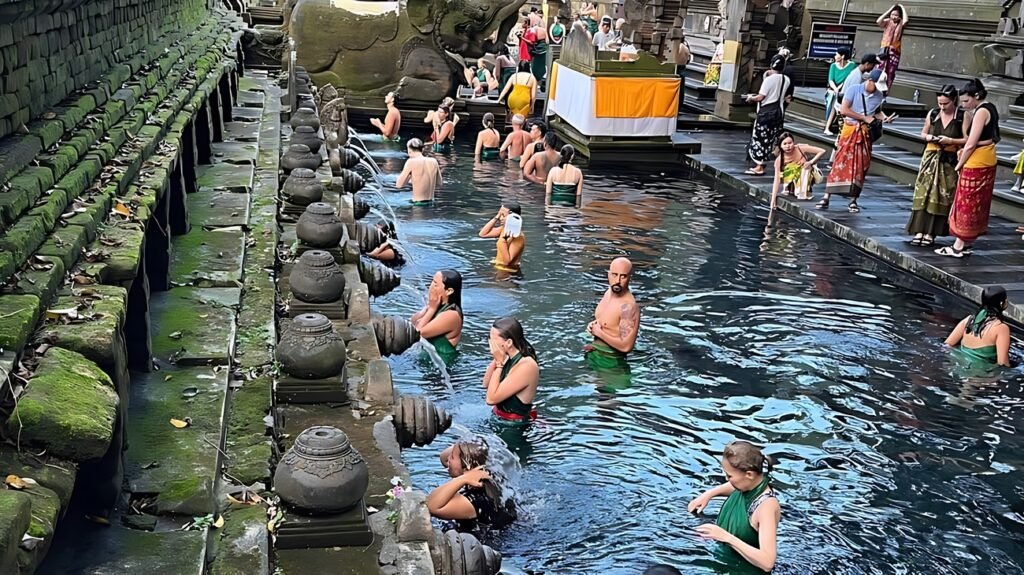
Tirta Empul Temple is one of Bali’s most sacred spiritual landmarks and a centerpiece among the most revered spiritual places in Ubud. Renowned for its holy spring—believed to be the source of amrita, or sacred cleansing water—this holy spring temple is cherished by both locals and visitors. Pilgrims come here to perform the traditional purification ritual known as melukat, while travelers are drawn by the temple’s rich symbolism, ancient architecture, and immersive cultural experience. Tirta Empul fits naturally into a thoughtfully planned Ubud itinerary, especially when paired with Tegalalang Rice Terraces and Goa Gajah.
Key Information & Location
| Feature | Details |
|---|---|
| Location | Manukaya, Tampaksiring, Gianyar — approx. 15–17 km northeast of Ubud (30–45 min drive) |
| Opening Hours | Typically 08:00–18:00 (some access restrictions may apply during major ceremonies) |
| Entrance Fee | $3–4 adults; $2–3 children; entry sarong usually included |
| Purification Access | Allowed if following temple rules; requires a wet sarong and sash |
| Facilities | Changing rooms, showers (~$0.5–1), lockers (~$1), towel rental (~$1–2) |
| Parking | Scooter: ~$0.30–0.70; Car: ~$1–2/hour |
| Payment | Cash in IDR; QRIS accepted at select booths and shops |
Essential: Your entry fee includes access to temple grounds and outer courtyards. To participate in the purification ritual, you’ll need a wet sarong and sash (available to rent), as well as an offering for prayer.
How the Melukat (Purification) Ritual Works
- Preparation: Leave your belongings in a locker, then change into a wet sarong and sash over modest swimwear. Tie your hair back and remove any jewelry.
- Offering: Purchase a canang sari (flower offering) and incense near the entrance—expect to pay around $0.30–0.70.
- Sequence: The two rectangular pools are fed by a series of fountains. Begin at the leftmost spout and move sequentially across, pausing at each one to rinse your head and recite a quiet prayer.
- Exceptions: One or two spouts are traditionally reserved for mourning rituals and are to be skipped.
- Completion: After finishing the circuit, return to the changing area to dry off and change into a dry sarong if you wish to explore further.
Note: The order and rules may vary depending on the day or ceremonial schedule. Always ask temple staff or the priest on duty for guidance.
Temple Etiquette & Cultural Guidelines
- Dress Code: Covered shoulders and knees are required. A sarong and sash must be worn at all times; a separate wet sarong is needed for purification. Hair should be tied back.
- Behavior: Remain quiet and respectful. Do not block access to fountains or skip the queue. Place offerings only in designated areas.
- Photography/Video: Permitted in outer zones. In the pools, photos should be taken discreetly and respectfully. Drones are prohibited without special permission.
- Current cultural guidelines can be found on Indonesia’s official tourism portal.
Crucial Reminder: Purification is a sacred ritual—not a photo opportunity. Avoid loud conversations or posing near worshippers.
Best Time to Visit & Weather Tips
- Morning (08:00–10:00): Fewer visitors, serene atmosphere, and clearer water from overnight settling.
- Late Afternoon (after 16:00): Softer light and more space for reflection.
- Full Moon/New Moon: Expect larger crowds and a heightened ceremonial ambiance.
- Rainy Season (Nov–Mar): Pool levels rise, and surfaces become slippery—check forecasts at BMKG.
Caution: After heavy rain, the walkways and steps can be slick. Wear shoes with good grip and walk mindfully around wet areas.
Budget Overview
- Entry: $3–4 for adults; ~$2–3 for children (includes standard sarong).
- Ritual Essentials: Wet sarong/sash rental $1–2; offering $0.30–0.70; locker ~$1; towel $1–2.
- Ritual Guide (optional): $10–15/hour for a group (tip recommended).
- Transport from Ubud: Taxi $8–15 one-way; half-day driver $25–40; scooter rental $4–7/day.
Pro Tip: Bring small denominations of cash for rentals, offerings, and parking. Digital payments aren’t accepted everywhere.
On-Site Layout
- Outer Courtyard (Jaba Tengah): Entry gate, ticket counter, sarong station, and offering stalls.
- Purification Pools: Two basins with rows of fountains—participants line up from left to right.
- Inner Sanctuaries: Limited access during ceremonies; follow posted signs.
- Sacred Spring Source: Bubbling spring at the temple’s upper level, symbolizing purity and the “life-giving water.”
Health, Hygiene & Safety
- Health: Do not enter the pools if you have open wounds or are feeling unwell. Do not drink the water.
- Personal Belongings: Use lockers or waterproof bags. Leave valuables at your hotel.
- Children: Welcome when supervised by adults. Pool depth varies—watch them carefully.
How to Fit into Your Ubud Itinerary
- North Ubud Morning Combo: Tirta Empul (08:00–10:00) → Tegalalang Rice Terraces → Coffee plantation → Lunch → Return to Ubud.
- Spiritual Day: Goa Gajah → Tirta Empul Temple → Evening dance performance at Ubud Palace — a cultural journey through key Ubud attractions.
- Recommended Time on Site: 60–120 minutes, depending on ritual participation and temple exploration.
9. Sacred Monkey Forest Sanctuary
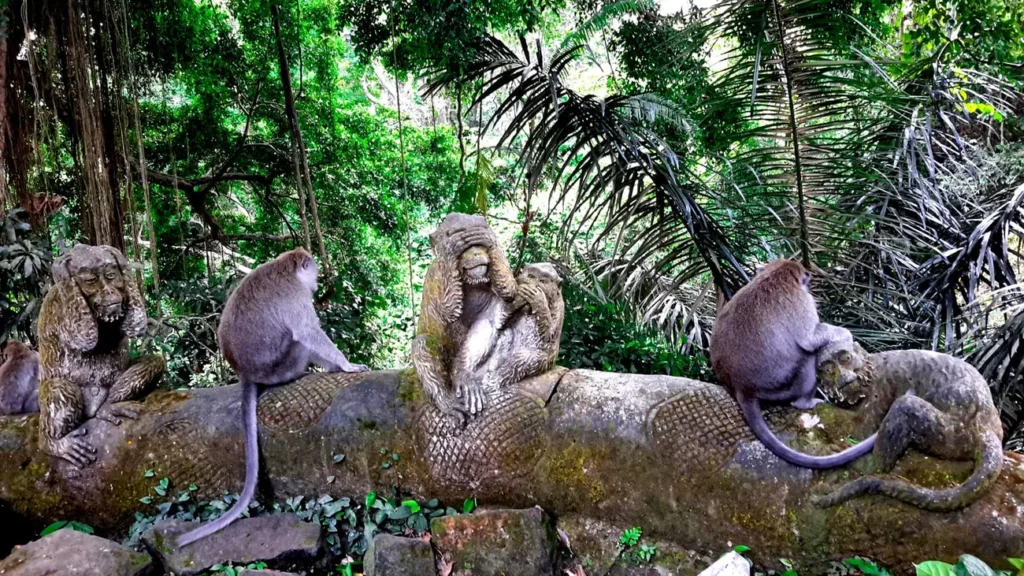
The Sacred Monkey Forest Sanctuary is a lush nature reserve and cultural site located in the heart of Padangtegal, Ubud. Home to hundreds of long-tailed macaques (Macaca fascicularis), the sanctuary also encompasses three active temples: Pura Dalem Agung Padangtegal, the Holy Spring Temple, and Prajapati Temple. A perennial favorite among Ubud attractions, it ranks high on most Ubud sightseeing itineraries—particularly as a daytime stop for families, nature lovers, and cultural travelers alike.
Essential Information & Location
| Feature | Details |
|---|---|
| Address | Jl. Monkey Forest, Padangtegal, Ubud (approx. 1–2 km south of Ubud Palace) |
| Opening Hours | Typically 09:00–18:00; last entry ~45 minutes before closing |
| Entrance Fee | $5–7 for adults; $4–5 for children (varies by day/season) |
| Parking | Scooter: ~$0.30–0.70; Car: ~$1–2/hour (limited availability) |
| Facilities | Walking paths, suspension bridges, signage, toilets (~$0.20 donation), first aid stations |
| Suggested Duration | 60–90 minutes at a leisurely pace |
| Payment | Cash in IDR; QRIS accepted at some kiosks and ticket counters |
Important: This is a sacred site and a protected habitat. Do not feed or touch the monkeys. Maintain a respectful distance and follow all staff instructions.
Best Time to Visit & Weather Considerations
- Morning (09:00–11:00): Fewer crowds and soft lighting in the jungle.
- Late afternoon (after 16:00): Cooler temperatures and heightened monkey activity, but some trails may close as sunset approaches.
- Rainy Season (Nov–Mar): Expect slippery boardwalks and roots, along with potential short tropical downpours.
Before your visit, check rainfall and weather alerts on the Indonesian Meteorological Agency (BMKG).
Note: After heavy rains, certain walkways or bridges may be temporarily closed. Follow detour maps and staff signage.
Visitor Conduct & Safety Guidelines
- Do not feed or touch the monkeys. All food and drinks should be stored inside a zipped bag or backpack.
- Avoid sudden movements or direct eye contact—monkeys may interpret this as a threat.
- Secure loose items such as sunglasses, dangling jewelry, drawstring hats, water bottles, and bags—monkeys are known to snatch them.
- If a monkey jumps on you, stay calm. Don’t swat or shake it off. Lower any objects in your hands and call for a staff member.
- Children must be supervised. Strollers are difficult to navigate in root-covered or stepped areas.
- Drones are strictly prohibited without prior authorization and must not be flown over people or temples. See Indonesia’s official tourism portal for updated drone and cultural guidelines.
Safety First: Any scratch or bite should be treated immediately at a first aid station. Don’t delay seeking medical care.
Temples Within the Sanctuary & Cultural Etiquette
- The sanctuary houses three active temples: Pura Dalem Agung, Holy Spring Temple, and Prajapati Temple (the latter associated with local cremation rites).
- Dress modestly near temple areas. Sarongs and sashes may be required depending on ceremonial access rules.
- Always follow temple etiquette, available on Indonesia’s official tourism site.
Site Layout & Walking Route
- North Entrance: Ticket counter, map of trails, and key visitor guidelines.
- Main Trail: Leads downhill toward the river, offering photo-worthy bridges and viewpoints.
- Monkey Zones: Open clearings where staff feed the monkeys; great for observing social behavior—watch from a distance.
- Temple Areas: Accessible from designated paths; inner courtyards may be closed during ceremonies.
Budget & Typical Expenses
- Entry: $5–7 for adults, $4–5 for children.
- Transport: Taxi from Ubud center $3–6 one-way; scooter rental $4–7/day.
- Parking: Scooter ~$0.30–0.70; car ~$1–2/hour.
- Other Costs: Bottled water $0.5–1.5; snacks $2–5; souvenirs near the entrance $2–10.
Tip: Wear closed-toe shoes with grippy soles, and use a zipped backpack. Avoid carrying visible snacks or dangling accessories.
- Path Conditions: Expect uneven stone paths, tree roots, and stairs. Surfaces can be slippery in wet weather.
- Stroller Access: Limited to flatter loops; some steep or stepped areas require detours or carrying.
- Trail Map: Clearly displayed near the entrance. Stick to marked paths and do not enter blocked-off zones.
Itinerary Pairings in Ubud
- Morning Plan: Sacred Monkey Forest Sanctuary → Coffee or lunch on Hanoman/Goutama streets → Ubud Art Market → Ubud Palace.
- Nature-Focused Day: Monkey Forest → Campuhan Ridge Walk → Sunset dinner in town and traditional Balinese dance performance (a highlight among best things to do in Ubud).
10. ARMA and Neka Art Museums
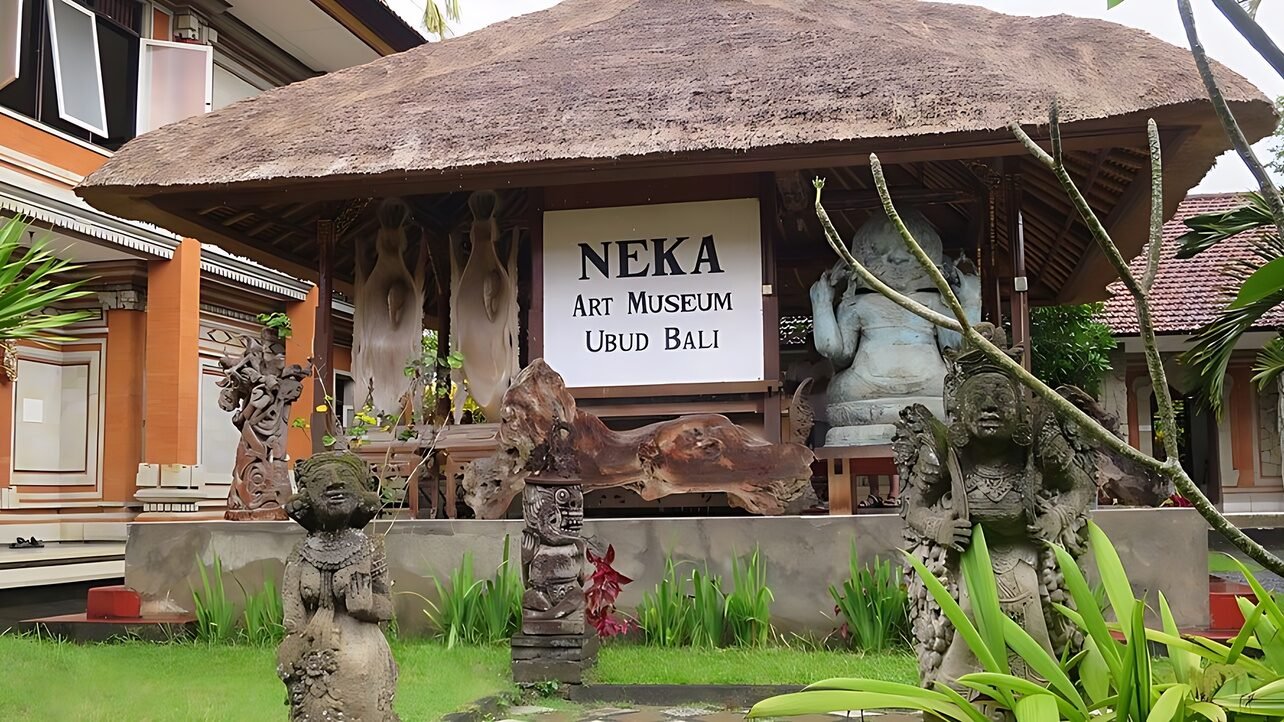
The Agung Rai Museum of Art (ARMA) and the Neka Art Museum are two of Ubud’s most important cultural institutions, offering a sweeping panorama of Balinese visual art from the 20th and 21st centuries. Together, they present a rich tapestry of artistic expression—from the classical Ubud and Batuan schools to works by Indonesian modernists and European painters who profoundly influenced Bali’s creative landscape. Both museums are essential stops for anyone exploring art museums in Ubud or compiling a list of the best things to do in Ubud.
Quick Overview & Comparison
| Feature | ARMA | Neka Art Museum |
|---|---|---|
| Location | Jl. Raya Pengosekan, south of central Ubud (10–15 mins from Ubud Palace) | Jl. Raya Sanggingan (Campuhan area), northwest of central Ubud (5–10 mins from Ubud Palace) |
| Opening Hours | Typically 09:00–18:00 | Typically 09:00–17:00 |
| Admission | $9–12 adults; $5–8 for children/students (with ID) | $9–12 adults; $5–8 for children/students |
| Payment Options | Cash in IDR; some QRIS available at the counter or café | Cash in IDR; some QRIS availability |
| Core Collection | Ubud & Batuan schools, Kamasan/Wayang, Affandi, Hendra Gunawan, Bonnet, Spies | Lempad, Arie Smit, Bonnet, Spies, Balinese painting schools, traditional weapons, ceramics |
| Facilities | Gardens, pavilions, performance stage, art/dance/gamelan workshops, café | Gallery halls, courtyards, reading kiosk, scenic terraces |
| Recommended Duration | 60–120 minutes | 60–120 minutes |
Note: Both museums are privately run. Opening hours and admission prices may vary depending on temporary exhibitions or events. Always confirm details at the entrance on the day of your visit.
What to See: Collections & Exhibitions
- ARMA showcases a vibrant selection of works from the Ubud and Batuan schools, including multi-figure scenes, mythology, and depictions of daily life. Highlights include traditional Kamasan/Wayang-style paintings and works by prominent Indonesian modernists such as Affandi and Hendra Gunawan. Pieces by influential European artists like Rudolf Bonnet and Walter Spies, who helped shape modern Balinese art, are also featured. The museum grounds include lush gardens, performance pavilions, and outdoor stages for cultural showcases.
- Neka Art Museum offers a comprehensive retrospective of Balinese painting and drawing, with standout collections by I Gusti Nyoman Lempad and Arie Smit. The museum’s layout organizes artworks by era, style, and artist across dedicated buildings. Additional collections include traditional keris daggers, ceramics, and historical photography.
Reminder: Flash photography is not allowed in the exhibition halls, and video recording may be restricted in some areas. Carry backpacks in front or store them in designated lockers if available.
Budget Breakdown
- Tickets: $9–12 per adult; $5–8 for children/students with valid ID. ARMA and Neka tickets are sold separately—no combined pass available.
- Guided Tours: $10–20/hour per group (arrange at the ticket desk or in advance).
- ARMA Workshops: Batik, drawing, Balinese dance, or gamelan music—typically $15–35 per person for 60–120 minutes.
- Café Expenses: Coffee $2–4; desserts $3–6; light meals $6–12.
- Transport: Taxi within Ubud $2–5 one-way; scooter rental $4–7/day; scooter parking ~$0.30–0.70.
Visitor Practices & Museum Etiquette
- Dress Code: Neat, casual attire is appropriate. If visiting temple pavilions on-site, wear modest clothing and observe ritual decorum (see Indonesia’s official tourism site for guidance).
- Photography: Allowed without flash. Tripods only by prior arrangement. Temporary exhibits may have additional restrictions.
- Climate Control: Some galleries are air-conditioned—bring a light layer for comfort.
- Artwork Safety: Do not approach too closely or touch paintings, frames, or display cases.
Pro Tip: For a more immersive experience, allow 2–3 hours per museum. Combine your visit with a guided tour or audio guide and a peaceful café break in the garden.
Best Times to Visit & Weather Tips
- Morning (09:00–11:00): Fewer visitors and pleasant temperatures for exploring ARMA’s outdoor spaces.
- Late Afternoon (after 15:00): Perfect for winding down before an evening of traditional dance performances at Ubud Palace.
- Rainy Season (Nov–Mar): Plan museum-hopping around potential downpours. Check BMKG’s weather forecast in advance.
How to Include in Your Ubud Itinerary
- Art & Nature Route: Morning at Neka (Campuhan) → Campuhan Ridge Walk → lunch → afternoon at ARMA.
- Classic Culture Loop: Ubud Palace → Saraswati Temple → Ubud Art Market → ARMA (or Neka) → evening dance performance.
- Rainy Day Plan: Spend 2–3 hours at ARMA, followed by 2 hours at Neka with a coffee break in between—ideal for cultural enrichment during inclement weather.
Accessibility & Amenities
- Pathways: A mix of paved galleries and garden paths; some areas include steps or thresholds. Alternative routes may be available for guests with limited mobility.
- Families with Children: Galleries are peaceful, but children should be reminded not to touch artworks. The ARMA gardens offer pleasant spaces for breaks.
- Gift Shops & Publications: Postcards, museum catalogs, and art prints available for $3–20.
Heads-Up: Some wings or pavilions may be closed for exhibition installation or takedown. Ask at the ticket counter for the current layout on the day of your visit.
Conclusion
These top places to visit in Ubud reveal the town’s unique ability to weave together nature, tradition, and spirituality—from its majestic temples and royal palaces to jungle trails and waterfalls. If you’re building your Ubud itinerary and choosing the best things to do in Ubud, focus on well-established attractions and consult official resources for weather, visa requirements, and cultural etiquette. Doing so will help ensure your trip stays on schedule and within budget.
Key Takeaway: Ubud’s charm lies in its seamless blend of cultural, natural, and spiritual destinations—all within a single route. Allow extra time for travel and queues, check the forecast on BMKG, and follow the Bali temple etiquette guidelines published on Indonesia’s official tourism portal.
Practical Tips & Planning Essentials
- Best time to visit: May–September offers drier weather and comfortable humidity levels (check current conditions via BMKG).
- Visas & length of stay: Use e-VOA/VOA and confirm entry/extension policies in advance at the Indonesian Immigration Portal.
- Cultural norms: Dress codes, conduct in sacred spaces, and photography rules are detailed on Indonesia’s official tourism website.
 +62 895 001 924 667
 hello@ulu.homes
 Tibubeneng, Canggu, Kuta Utara, Badung Regency, Bali 80361, Indonesia


 Get catalogue of TOP-7 objects